5: Personal Awareness Is the Core

            I and many of you now can see that launching Marine Spatial Planning is a potential way to deal with the increasing peril of coastal ecosystem collapse. However, this plan is undertaken only by governments and decision-makers in the tourism industry. The best result for coastal conservation needs to be achieved with the help of everybody. It means that you and I and other coastal tourists have responsibilities to protect these areas. Don’t assume that protecting the environment requires too many efforts that only governments and big organizations can undertake. Normal people like us can, too. Moreover, the beauty of doing environmental protective actions can easily spread out over our community.

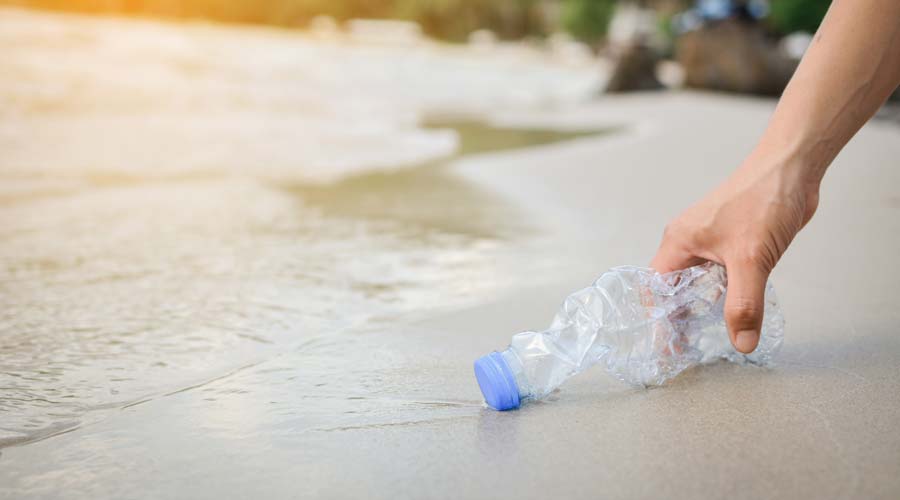
Let me tell you a story about a little effort that I and my cousins did for a beach in my coastal hometown. It was a journey of our families going to the beach to enjoy our spare time like other journeys that we had done several times before. However, that time was different when we, children, felt upset because of seeing waste all over the sand and in the water and started to collect some pieces of junk. We were not members of any organizations or called ourselves environmental activists. We just distressed when seeing our hometown’s seascapes lose their attractiveness, so we wanted to do something about it. In our mind, there was a thought “Just pick one more piece of trash over there then we can enjoy the beach.” Finally, we forgot about playing but instead, we gathered trash. Surprisingly, other people on the beach that day also started to pick up their waste and the ones near them. At the end of that afternoon, though we could not clean all parts of the beach, the little effort of us and others helped one of our tourism destinations somewhat gain back its natural attraction. Though our efforts that day is insignificant, it proves how easy it is to protect the environment. It can be simple acts like stop littering and pick up some pieces of trash you see on the beach. The more awareness people earn, the more meaningful things happen.
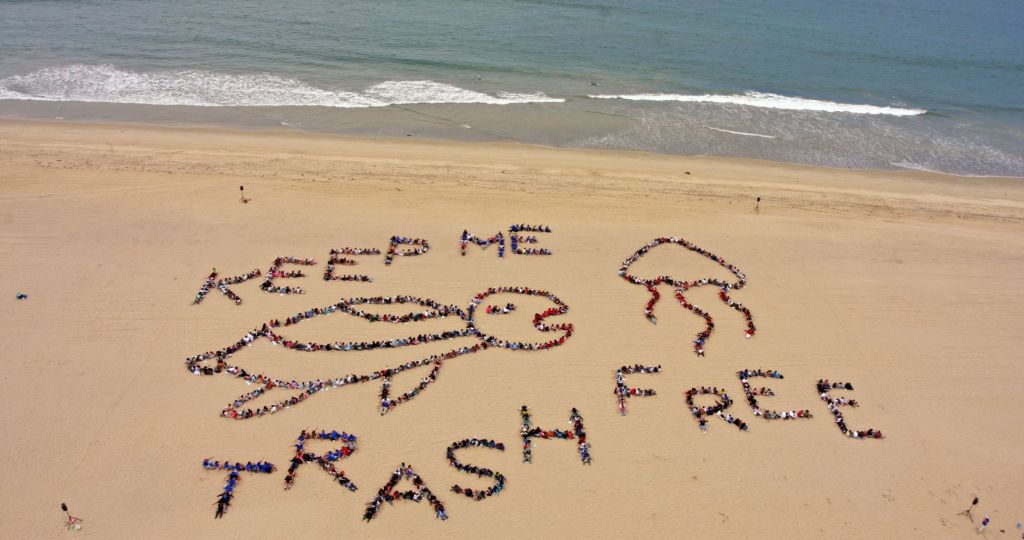
Overall, coastal tourism is one of the fastest-growing types in the tourism industry that threaten the coastal ecosystem. Because of that, it needs to be treated with not only special care and plan like Marine Spatial Planning but also high awareness of tourists. Once those features have been achieved, coastal regions would be saved from environmental degradations and their natural allure would be returned. More important, those who gain the most benefit from having gorgeous seascapes are coastal tourism investors.
4: A Plan for Coastal Tourism

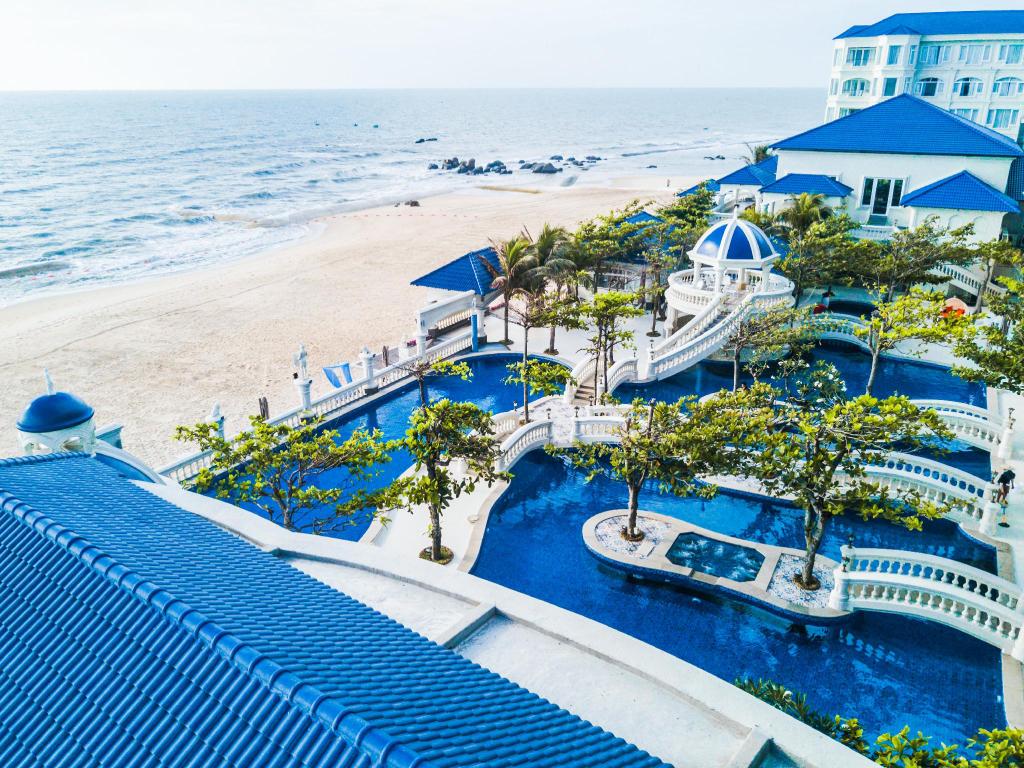
            Rapid and uncontrolled development of coastal tourism plays an important role in gaining massive profits for the national economy, especially for countries whose economies rely heavily on seaside tourism. I have seen how much tourism, particularly coastal tourism, affects the incomes and life of citizens in my hometown. However, this type of traveling is threatening climate and coastal sustainability. I do not mean that tourism and the environment cannot coexist. They can but the only way to have that balanced growth between economy and climate is to control the fast-rising rate of coastal tourism. Because of that, coastal tourism requires special planning and protection efforts. Luckily, many organizations find efficient ways that allow tourism to grow without leaving severe impacts on coastal regions.

            The most prevalent strategy is Marine Spatial Planning of UNESCO. According to UNESCO, Marine Spatial Planning is “a public process of analyzing and allocating the spatial and temporal distribution of human activities in marine areas to achieve ecological, economic, and social objectives that usually have been specified through a political process. Characteristics of marine spatial planning include ecosystem-based, area-based, integrated, adaptive, strategic and participatory.” It may sound irrelevant to managing coastal tourism, but recent research demonstrates that arguments to extend the effect of MSP into terrestrial parts or inland parts was accomplished. By that mean, MSP now can be used to tackle struggles between users and the environment taking place in coastal areas. It is regarded as an auspicious strategy to incorporate the benefits of economic development coming from an ecologically-based industry to the coastal ecosystem and protect this fragile environment.

3: Wandering Around the Beach

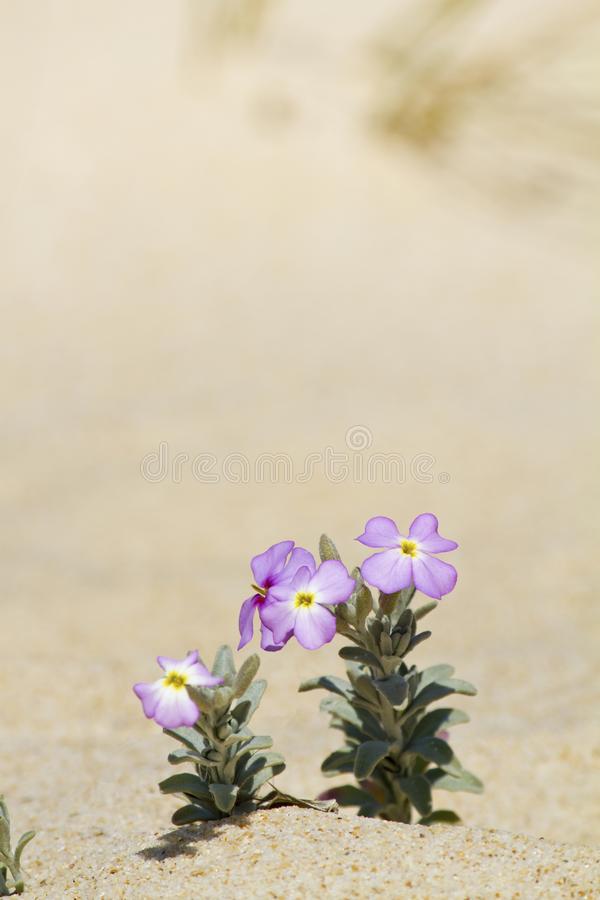
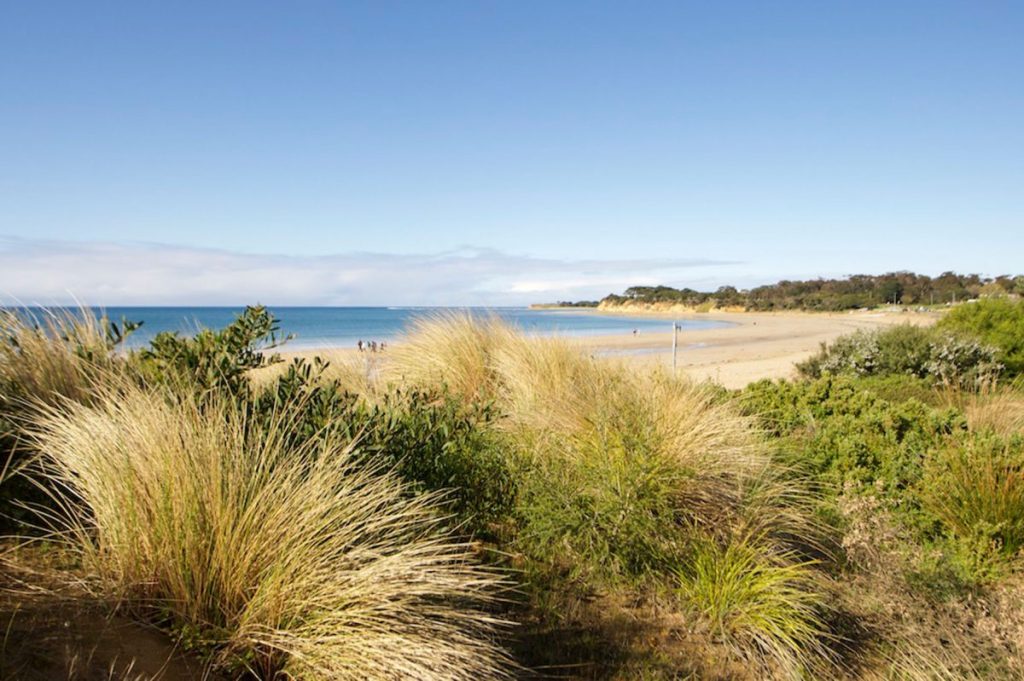
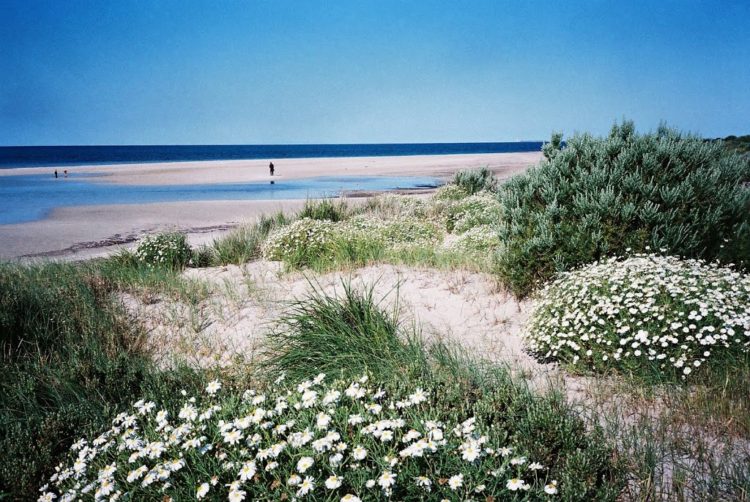
            Have you ever noticed the scenery of wild flora on the coastal dune? I guess some would say who cares about coastal vegetation when the main purpose of coastal tourists is to spend their leisure time enjoying the beach and sea-based activities. I am not here to talk about how you should or should not care about flora and fauna. All I want to emphasize is that flora and fauna in coastal regions have unique characteristics of these places and are being threatened under uncontrolled coastal tourism.

            E.Fantinato and his study on coastal dune sites of the North Adriatic coast conducted that pollinations on coastal dunes have been severely affected by the overcrowding tourism. The most obvious way is through beach walking and bringing alien species to the coastal environment. Coastal walks result in trampling. The more visitors, the more severe human trampling. Regarding aliens, they are non-indigenous organisms that make ways to the coastal ecosystem which is not their native environment. We may ask how tourism brings aliens to the coastal community. Our answer is alien species are able to access the coastal biological system through tourism’s transportation. Of course, it does not disturb us, tourists, but they left results in the pollination networks of native species in the coastal zone over the long term. Imagine you are in a race with some competitors. If you have fewer components, you have a higher chance to win. However, if the number of competitors is added up, the possibility of winning would be decreased. It is the same with the pollination network. Alien plant species are potential competitors of native plant species because they can affect the pollination outcome of the native ones. The worst case is changing the structure of pollination networks and the loss of biodiversity in coastal space.

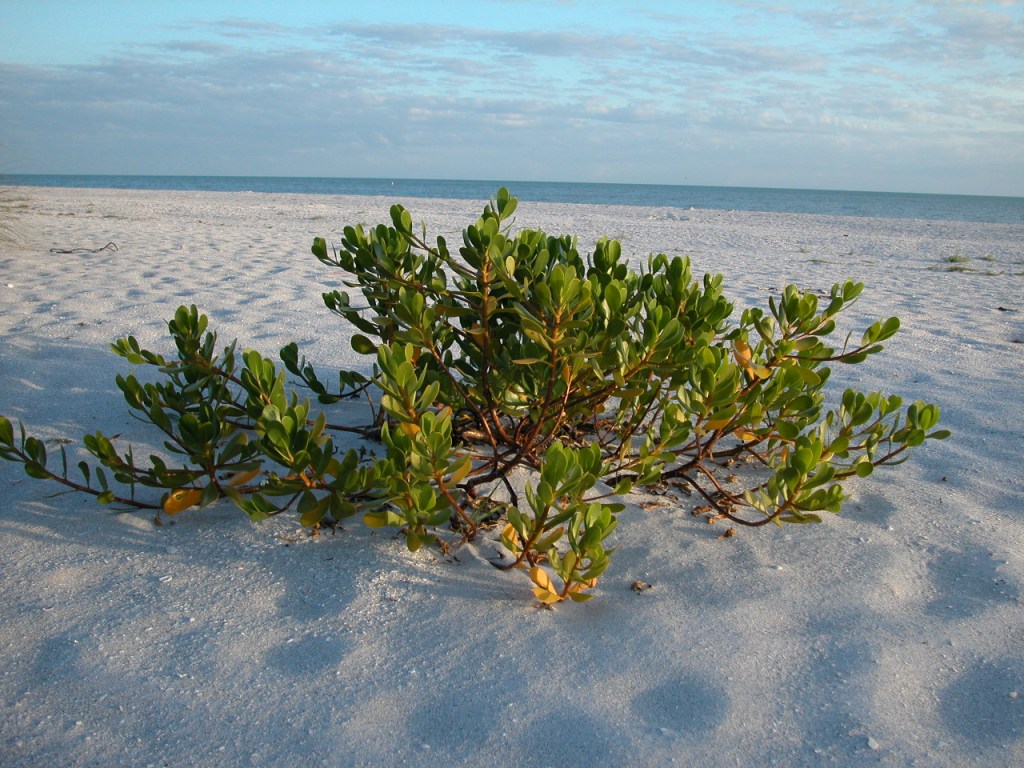
Beach foliage, Bowman’s Beach, Sanibel.

Beach foliage, Bowman’s Beach, Sanibel.

2: Does Ecological Tourism Sound Ecologically?

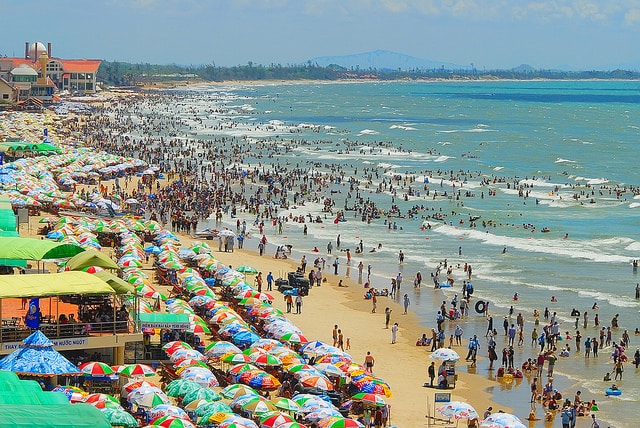
            Though coastal tourism is highly based on the ecological system of coastal regions, it indeed is not as ecologically friendly as it sounds. We can easily see one of the most obvious environmental pollution represented in the coastal zone is the excessive amount of waste eliminated directly into the sea and ocean. It includes various types of waste and comes from various sources such as overcrowding tourists, cruise ships, and runoff from resorts and restaurants near the shoreline.

From my childhood experiences of visiting the beach in my hometown, the amount of trash resulted from the overload of tourists was so much so that my childhood’s awareness about the beach was blue water, waves, and trash. At that time, I would be greatly surprised if I did not see any, or I should say many, pieces of trash flittering the beach and flowing on the sea’s surface. Catching trash while swimming and playing in the seawater became a common story in my childhood.

Those poorly managed tourism activities do not cause water pollution alone but also disturb the biology here. For example, sewage discarded into the water exaggerates algal growth and nutrient changes in the water environment that kill fauna living under the water. The contaminated water then leaks to the land that affects the development of flora.

Other degradations implied by tourism in coastal regions are erosions and saltwater intrusions. The more coastal recreational facilities and infrastructures built, the more seawalls constructed and the more mangrove removed that lead to the vulnerability of erosion and changing ecological environment. Alongside the trending development of seaside resorts and facilities is the rising demand for fresh and clean water. To satisfy this demand, fresh-ground water from the coastal aquifer has been exploited. This action poses a risk of saltwater intrusion to coastal areas that diminishes vegetation and water quality.

1: Started from a childhood memory

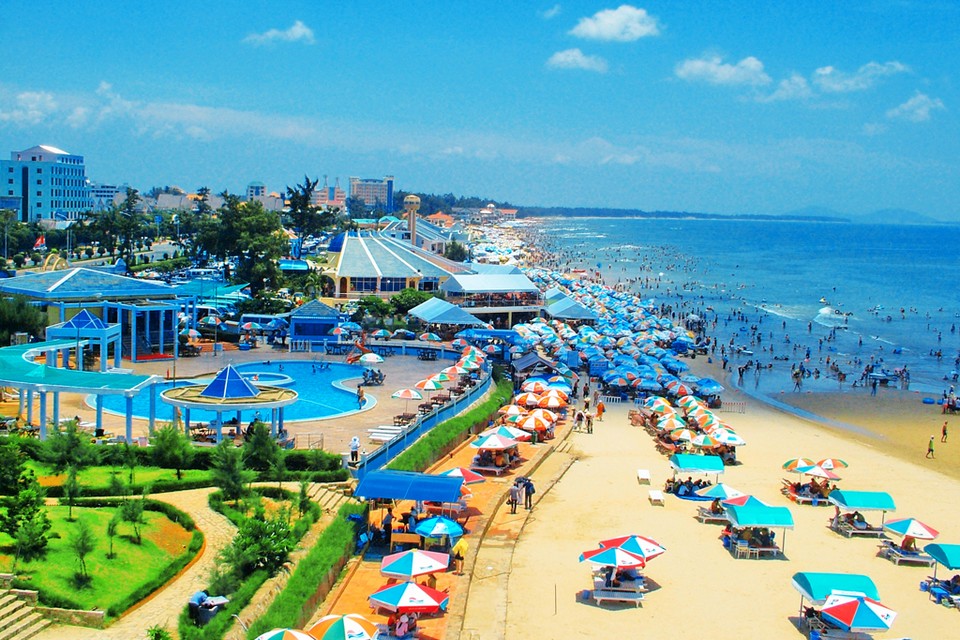
            My hometown is in the coastal zone that my childhood was full of journeys to the beach and times spending on the white sand and under the sun in summertime, or in any seasons that my family felt like to visit the beach. My family is not the only one who enjoys the beach, but thousands of people also find visiting the beach is the easiest and simplest way to spend their leisure time, especially those who have children. Entrepreneurs and investors instantly realized coastal areas are potential places for them to develop the tourism industry and earn profits so that coastal tourism was named.

            What is coastal tourism exactly?

            We usually assume that coastal tourism is visiting and spending our spare time enjoying the white sand and blue waves. However, if it was that simple, we did not have a whole coastal tourism industry nowadays. The idea of coastal tourism includes various types of tourism, relaxing, and recreational activities taken place in the coastal area and the sea. By that mean, entrepreneurs in the coastal tourism industry built up facilities and infrastructures such as restaurants and second homes to support tourism development in the fragile coastal ecosystem. Also included are beach-based tourism activities such as swimming and sunbathing, coastal walks, etc. Coastal tourism has been a trend and developed with diverse activities and infrastructures taken place on a gigantic scale with the only purpose is to satisfy the entertaining demands of humans. However, we seem to forget one of the most important elements that in order to maintain a long-lasting development of coastal tourism, humans must protect the sustainability of the environment, particularly the coastal zone.

Design a site like this with WordPress.com
Get started