Though coastal tourism is highly based on the ecological system of coastal regions, it indeed is not as ecologically friendly as it sounds. We can easily see one of the most obvious environmental pollution represented in the coastal zone is the excessive amount of waste eliminated directly into the sea and ocean. It includes various types of waste and comes from various sources such as overcrowding tourists, cruise ships, and runoff from resorts and restaurants near the shoreline.
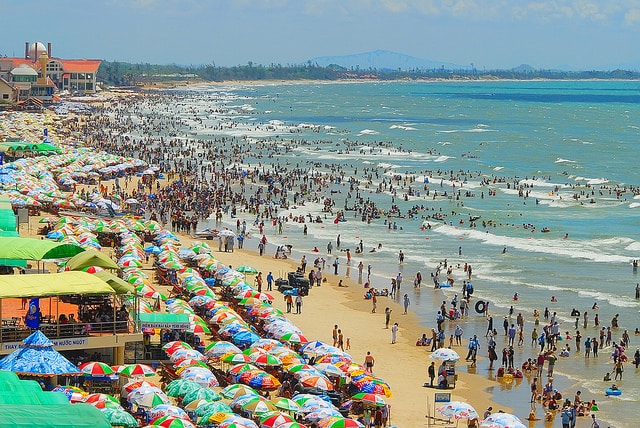
From my childhood experiences of visiting the beach in my hometown, the amount of trash resulted from the overload of tourists was so much so that my childhood’s awareness about the beach was blue water, waves, and trash. At that time, I would be greatly surprised if I did not see any, or I should say many, pieces of trash flittering the beach and flowing on the sea’s surface. Catching trash while swimming and playing in the seawater became a common story in my childhood.
Those poorly managed tourism activities do not cause water pollution alone but also disturb the biology here. For example, sewage discarded into the water exaggerates algal growth and nutrient changes in the water environment that kill fauna living under the water. The contaminated water then leaks to the land that affects the development of flora.
Other degradations implied by tourism in coastal regions are erosions and saltwater intrusions. The more coastal recreational facilities and infrastructures built, the more seawalls constructed and the more mangrove removed that lead to the vulnerability of erosion and changing ecological environment. Alongside the trending development of seaside resorts and facilities is the rising demand for fresh and clean water. To satisfy this demand, fresh-ground water from the coastal aquifer has been exploited. This action poses a risk of saltwater intrusion to coastal areas that diminishes vegetation and water quality.
 Coastal tourism