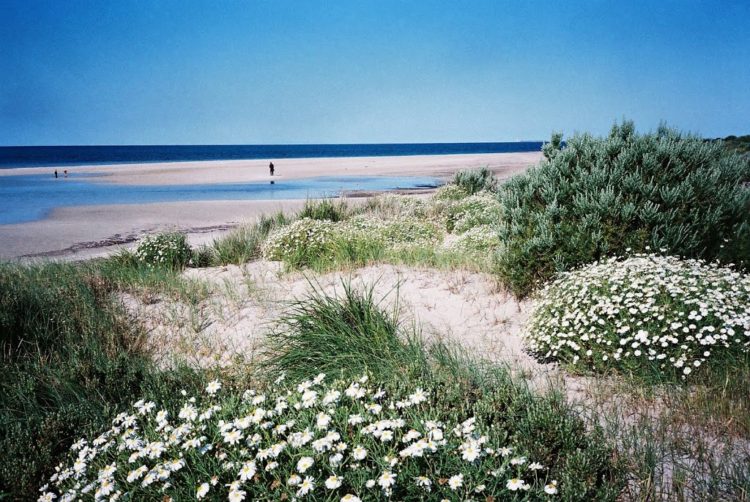
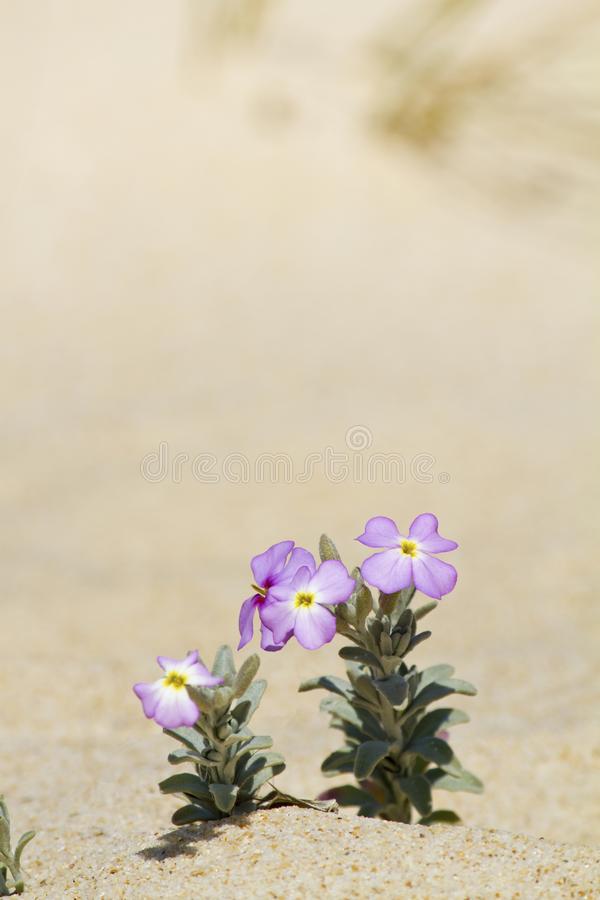
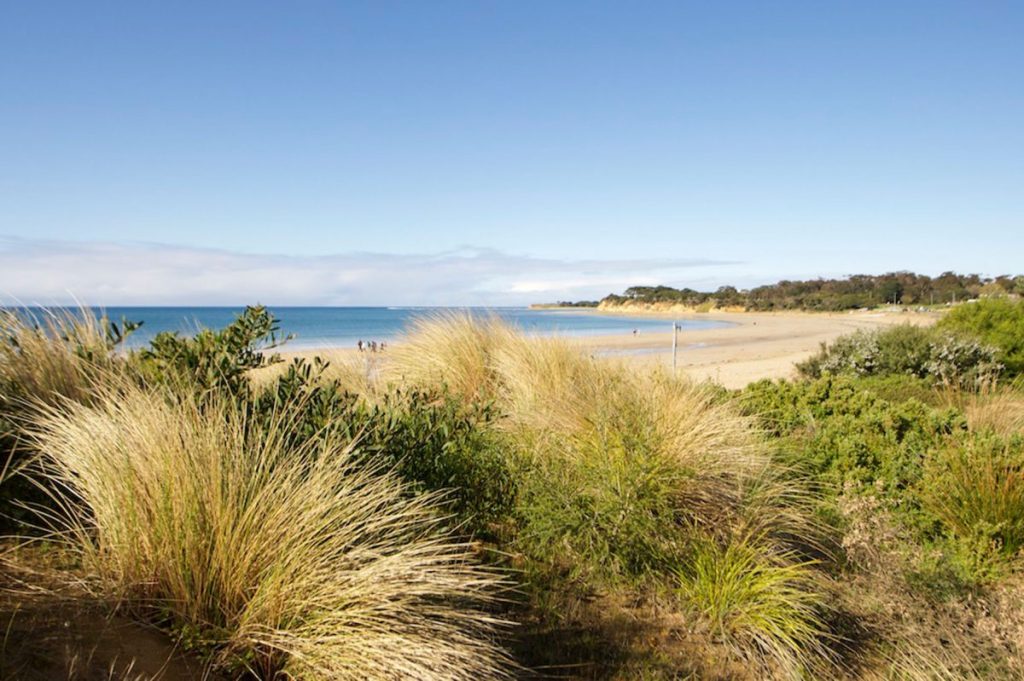
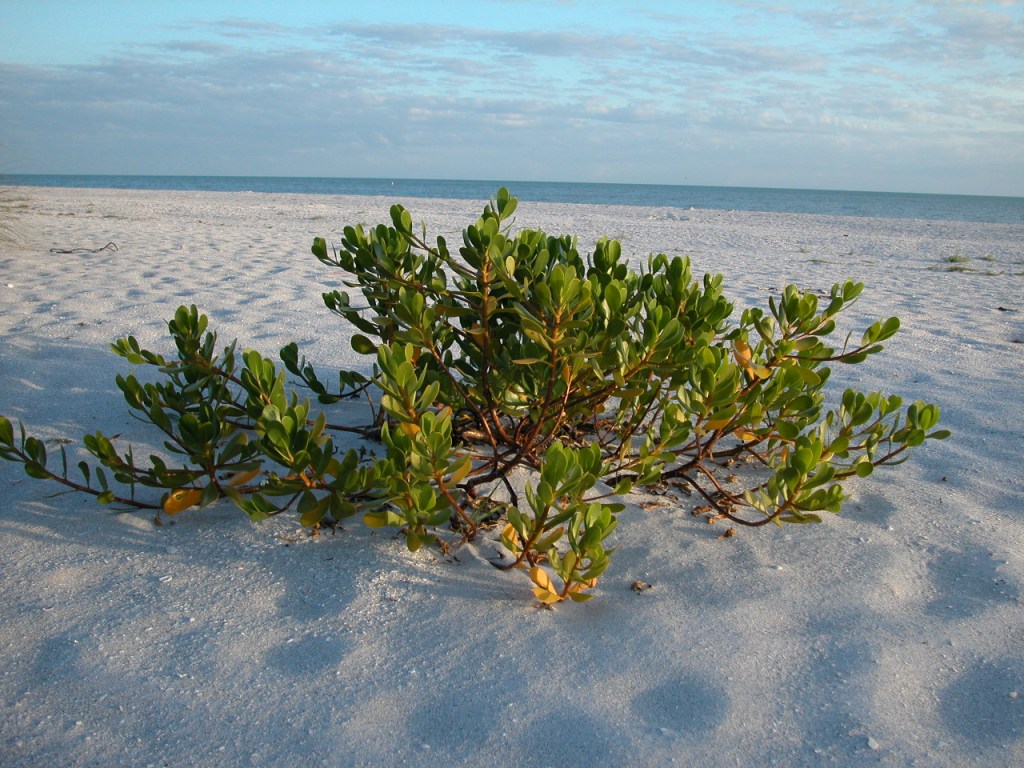
Have you ever noticed the scenery of wild flora on the coastal dune? I guess some would say who cares about coastal vegetation when the main purpose of coastal tourists is to spend their leisure time enjoying the beach and sea-based activities. I am not here to talk about how you should or should not care about flora and fauna. All I want to emphasize is that flora and fauna in coastal regions have unique characteristics of these places and are being threatened under uncontrolled coastal tourism.
E.Fantinato and his study on coastal dune sites of the North Adriatic coast conducted that pollinations on coastal dunes have been severely affected by the overcrowding tourism. The most obvious way is through beach walking and bringing alien species to the coastal environment. Coastal walks result in trampling. The more visitors, the more severe human trampling. Regarding aliens, they are non-indigenous organisms that make ways to the coastal ecosystem which is not their native environment. We may ask how tourism brings aliens to the coastal community. Our answer is alien species are able to access the coastal biological system through tourism’s transportation. Of course, it does not disturb us, tourists, but they left results in the pollination networks of native species in the coastal zone over the long term. Imagine you are in a race with some competitors. If you have fewer components, you have a higher chance to win. However, if the number of competitors is added up, the possibility of winning would be decreased. It is the same with the pollination network. Alien plant species are potential competitors of native plant species because they can affect the pollination outcome of the native ones. The worst case is changing the structure of pollination networks and the loss of biodiversity in coastal space.
 Coastal tourism