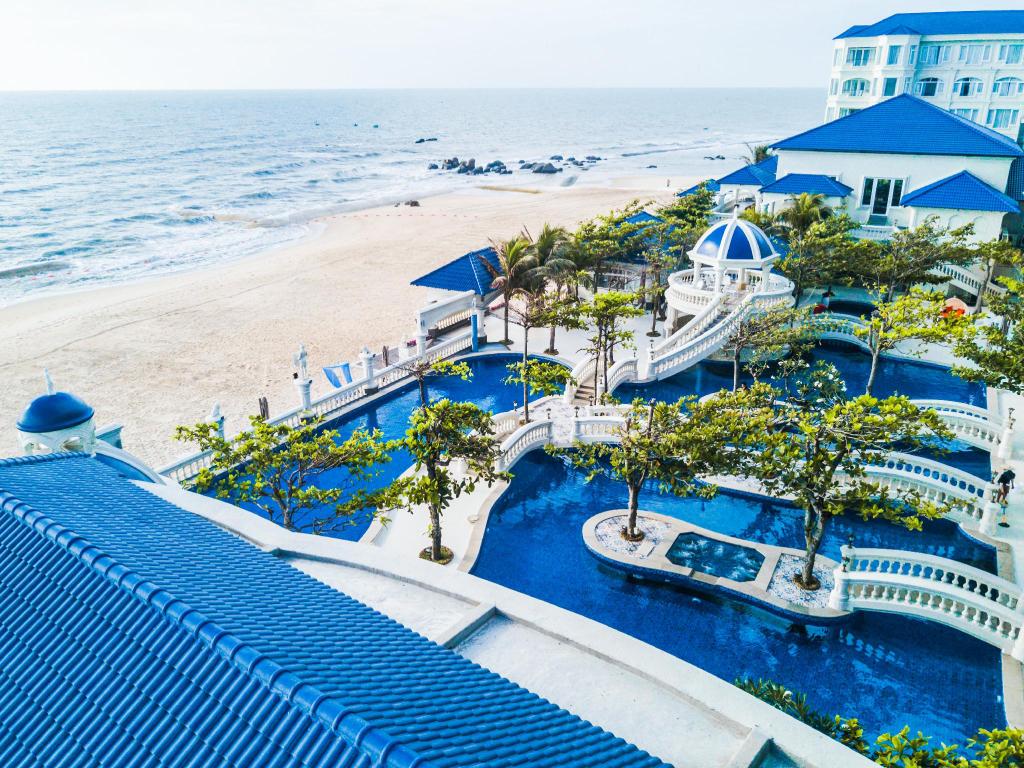
Rapid and uncontrolled development of coastal tourism plays an important role in gaining massive profits for the national economy, especially for countries whose economies rely heavily on seaside tourism. I have seen how much tourism, particularly coastal tourism, affects the incomes and life of citizens in my hometown. However, this type of traveling is threatening climate and coastal sustainability. I do not mean that tourism and the environment cannot coexist. They can but the only way to have that balanced growth between economy and climate is to control the fast-rising rate of coastal tourism. Because of that, coastal tourism requires special planning and protection efforts. Luckily, many organizations find efficient ways that allow tourism to grow without leaving severe impacts on coastal regions.
The most prevalent strategy is Marine Spatial Planning of UNESCO. According to UNESCO, Marine Spatial Planning is “a public process of analyzing and allocating the spatial and temporal distribution of human activities in marine areas to achieve ecological, economic, and social objectives that usually have been specified through a political process. Characteristics of marine spatial planning include ecosystem-based, area-based, integrated, adaptive, strategic and participatory.” It may sound irrelevant to managing coastal tourism, but recent research demonstrates that arguments to extend the effect of MSP into terrestrial parts or inland parts was accomplished. By that mean, MSP now can be used to tackle struggles between users and the environment taking place in coastal areas. It is regarded as an auspicious strategy to incorporate the benefits of economic development coming from an ecologically-based industry to the coastal ecosystem and protect this fragile environment.
 Coastal tourism